SRI LANKA TOUR PLACES

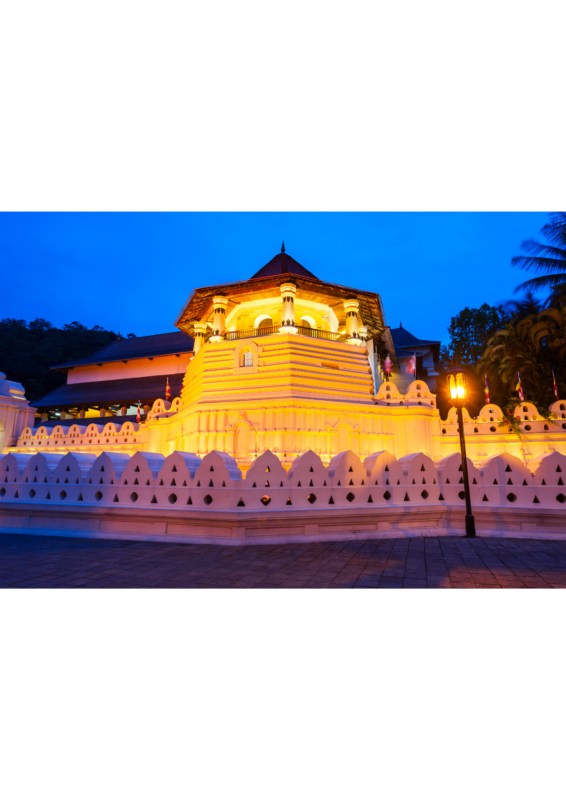
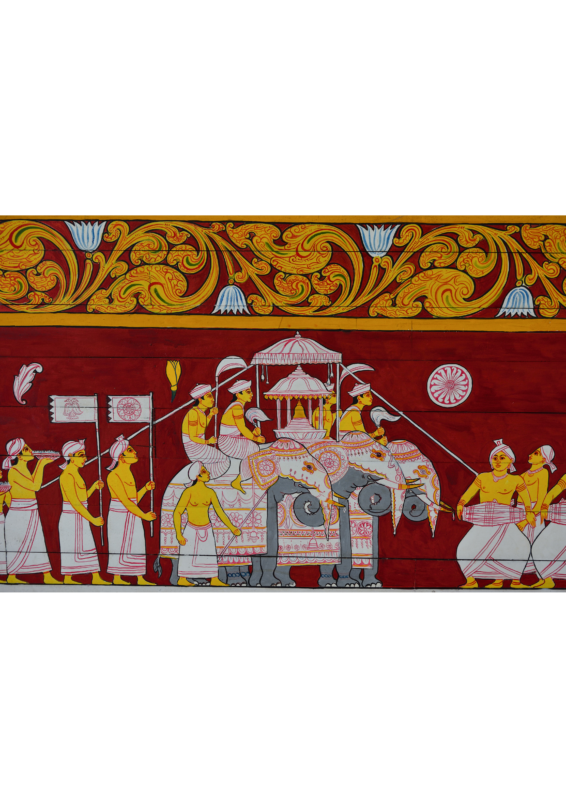
Sri Dalada Maligawa | The Temple of the Sacred Tooth Relic

The Temple of the Sacred Tooth Relic in Kandy is one of the most sacred Buddhist sites in the world. It enshrines the left tooth relic of Gautama Buddha and is visited daily by thousands of devotees and tourists. In 1988, it was declared a UNESCO World Heritage Site as part of the Sacred City of Kandy.

The relic was brought to Sri Lanka from Kalinga, India, in the 4th century by Princess Hemamala and Prince Dantha during the reign of King Keerthi Sri Meghavarna. Over time, it became a powerful symbol of Sri Lankan kingship, as whoever possessed the relic was believed to have the right to rule the country.

The present two-storeyed temple was built in the early 18th century by King Sri Veera Parakrama Narendrasinghe and later renovated by King Keerthi Sri Rajasinghe. The Octagonal Pavilion (Paththirippuwa) was added by King Sri Wickrama Rajasinghe.

Built in traditional Kandyan architectural style, the temple features beautiful carvings in gold, silver, bronze, and ivory. It stands near the Royal Palace, Udawaththa Kelaya Forest Reserve, and Kandy Lake.

Today, the temple remains an active place of worship, with daily rituals conducted under the guidance of the Malwatta and Asgiriya chief monks and the Diyawadana Nilame, preserving its religious and cultural significance.

 Sigiriya

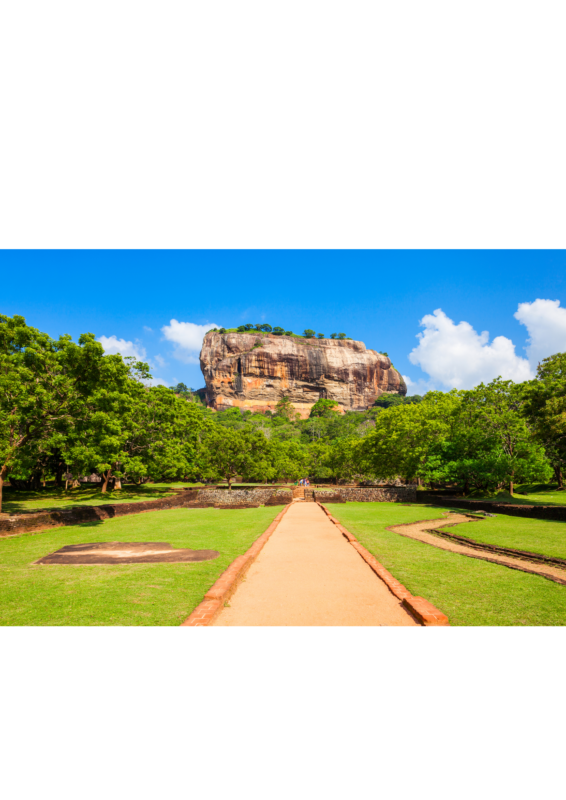
Sigiriya, also known as Lion Rock, is one of Sri Lanka’s most famous historical landmarks and is often called the “Eighth Wonder of the World.” It is one of the most visited tourist attractions in the country due to its rich archaeology and unique design.

Rising about 200 meters above the surrounding forest, Sigiriya is a massive rock formation created from magma of an extinct volcano. The fortress complex was built in the 5th century by King Kashyapa and showcases a remarkable blend of nature and human creativity.

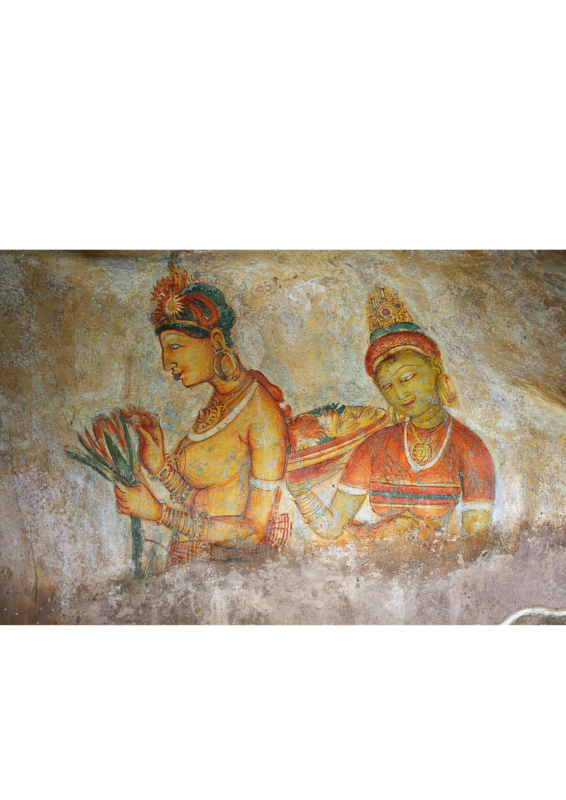
The name Sigiriya comes from “Sihagri,” meaning Lion Rock, inspired by the giant lion-shaped gateway that once stood at the entrance. The western rock face is famous for its ancient frescoes, of which 18 still survive. These paintings, believed to represent royal women or celestial maidens, highlight the beauty of ancient Sri Lankan art.

Another unique feature is the Mirror Wall, once polished so well that the king could see his reflection. It contains ancient inscriptions and poems dating back to the 9th century, showing that Sigiriya was admired by visitors over a thousand years ago.

Today, Sigiriya remains a UNESCO World Heritage Site and a symbol of Sri Lanka’s architectural and artistic excellence.

Ella | Nine Arch Bridge | Ravana Ella Falls

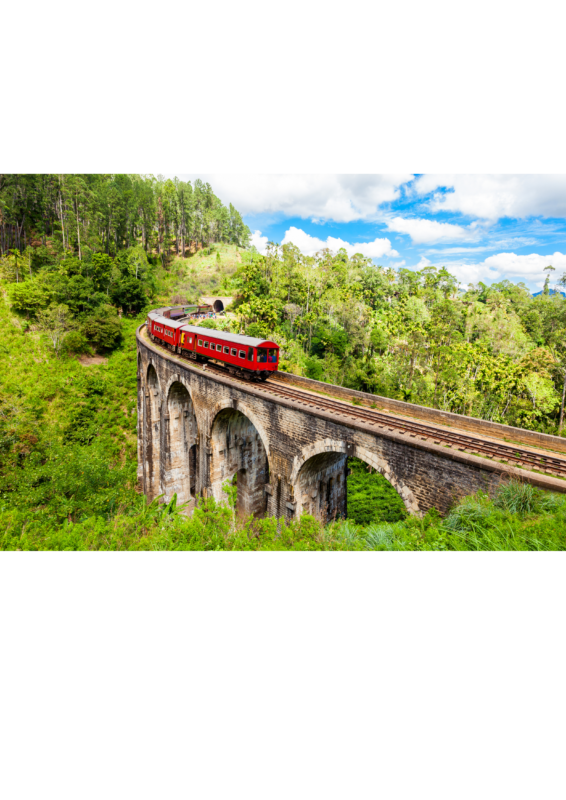
Ella is a small and scenic hill town located in the central highlands of Sri Lanka. Surrounded by lush green mountains, tea plantations, and misty valleys, it is one of the most beautiful and peaceful destinations in the country. The cool climate and relaxed atmosphere make it a favorite spot for nature lovers and backpackers. One of the most famous attractions in Ella is the Nine Arch Bridge, an impressive colonial-era railway bridge built entirely of stone and bricks.

The train journey from Kandy to Ella is considered one of the most breathtaking train rides in the world, passing through tunnels, waterfalls, and endless tea estates.

Ella is also well known for its hiking and panoramic viewpoints. Popular trekking spots include Little Adam’s Peak and Ella Rock, both offering stunning sunrise and sunset views over the surrounding hills.

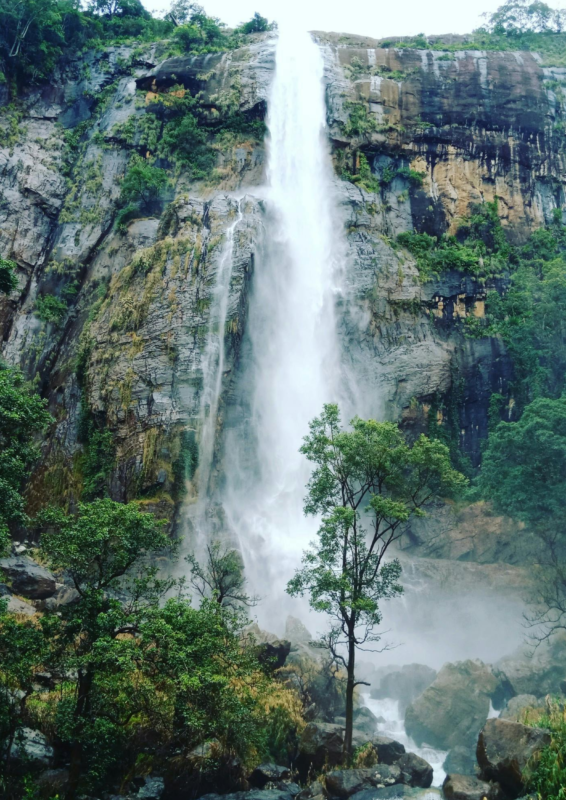
Visitors can also explore nearby waterfalls such as Ravana Falls and learn about local legends connected to the Ramayana story. With its combination of adventure, natural beauty, and calm environment, Ella provides a refreshing escape from busy city life and remains one of Sri Lanka’s top tourist destinations.

Galle Fort

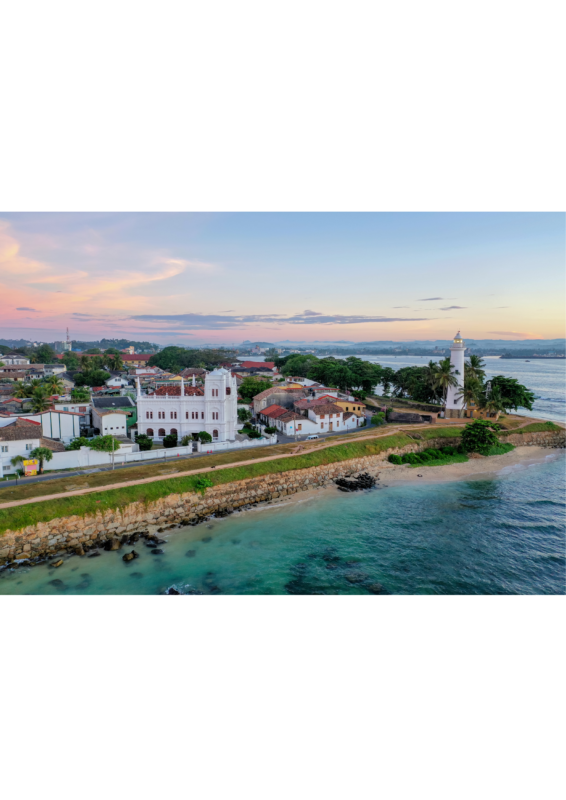
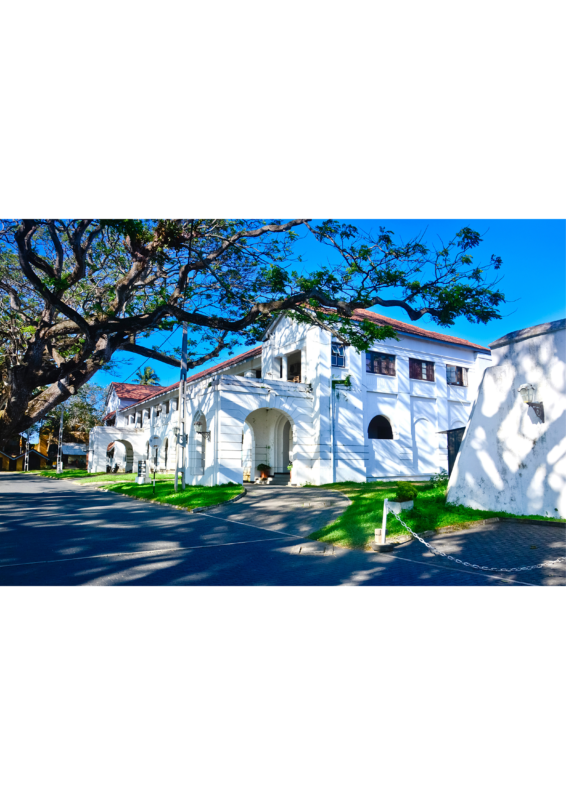
Galle Fort is one of the most historically significant and best-preserved colonial fortresses in Asia, located in the coastal city of Galle. Originally built by the Portuguese in the 16th century and later extensively fortified by the Dutch in the 17th century, the fort showcases a unique blend of European architectural styles combined with South Asian traditions.

Surrounded by massive stone walls overlooking the Indian Ocean, the fort once served as a strategic trading port and defensive stronghold.

Today, it is a UNESCO World Heritage Site and a lively heritage area filled with cobblestone streets, colonial-era houses, churches, museums, boutique hotels, art galleries, and cozy cafés. Walking along the ramparts during sunset is a memorable experience, offering breathtaking sea views and a glimpse into Sri Lanka’s colonial past.

Galle Fort remains a living heritage site where history, culture, and modern life beautifully coexist.

Trincomalee

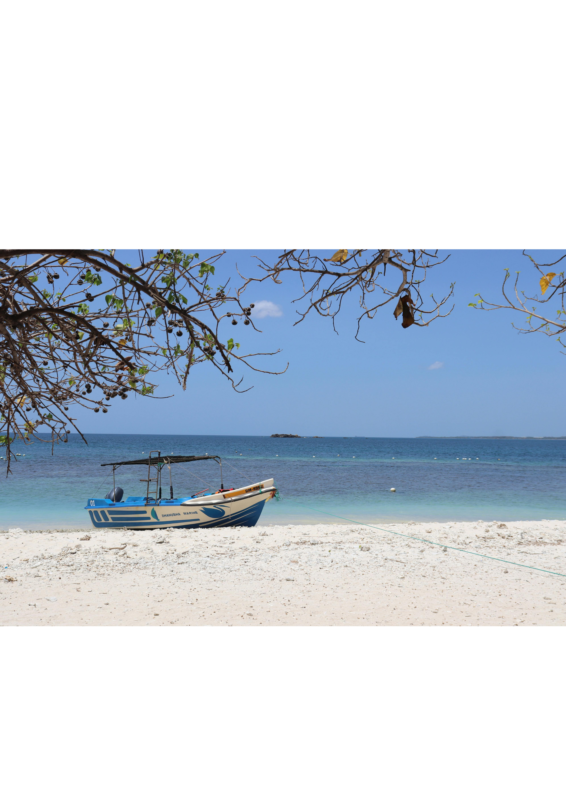
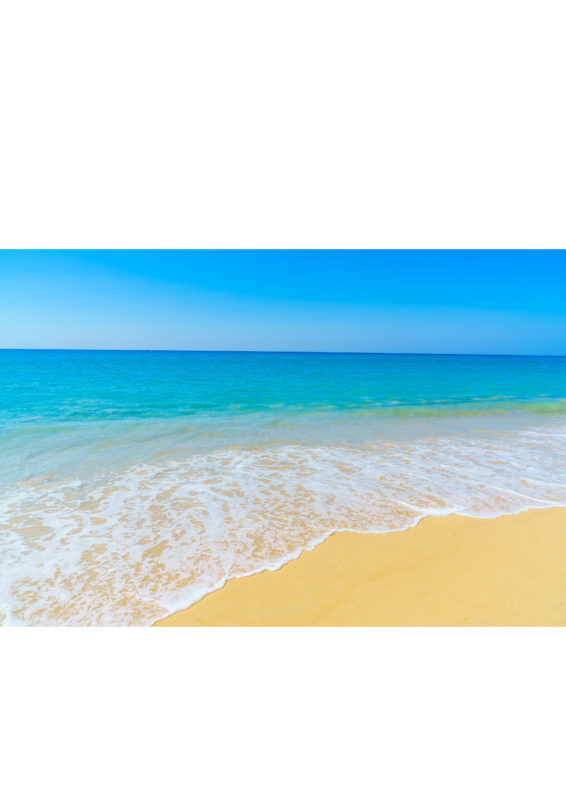
Trincomalee is a stunning coastal city located on the northeastern coast of Sri Lanka. It is known for its natural deep-water harbor, beautiful beaches, and historical significance. Nilaveli and Uppuveli beaches are popular for their soft white sand and clear blue waters, making them ideal for swimming and relaxation.

The city is also home to the famous Koneswaram Temple, situated on a cliff with breathtaking ocean views. Visitors can enjoy whale watching, snorkeling at Pigeon Island, and exploring colonial forts.

Trincomalee combines natural beauty, adventure, and cultural heritage in one destination.

Jaffna

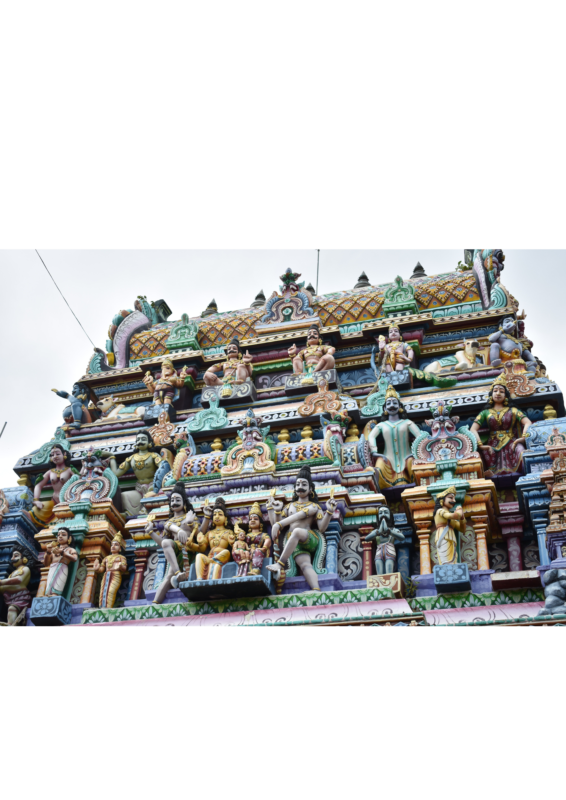
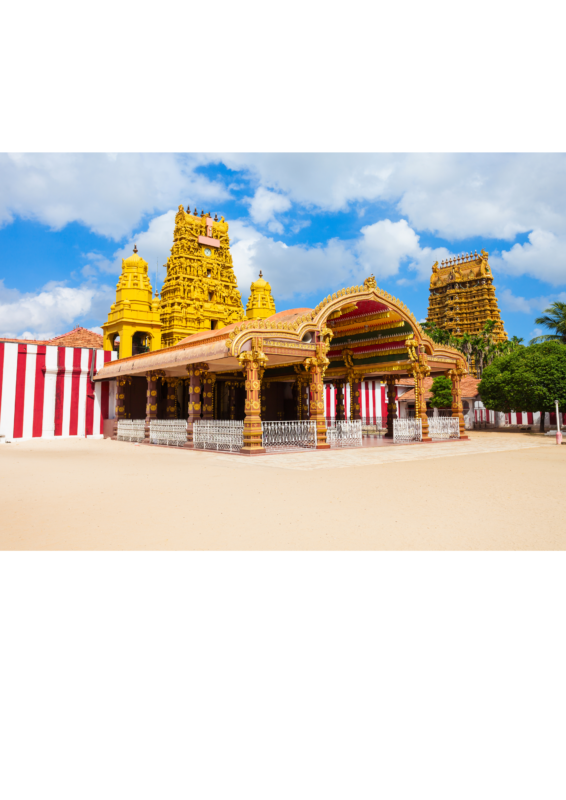
Jaffna is the cultural heart of Northern Sri Lanka and is known for its rich Tamil heritage, historic landmarks, and unique traditions. The city has a distinct identity shaped by centuries of South Indian influence, colonial history, and local customs. One of its most important attractions is the Jaffna Fort, originally built by the Portuguese in the 17th century and later expanded by the Dutch.

The fort offers impressive views of the lagoon and stands as a symbol of Jaffna’s colonial past. Another significant religious site is the Nallur Kandaswamy Temple, a grand Hindu temple dedicated to Lord Murugan, famous for its annual colorful festival.

Jaffna is also known for its beautiful islands, quiet beaches, and unique cuisine. Nearby islands such as Delft Island feature wild ponies and ancient coral walls. The region’s food is distinct from the rest of Sri Lanka, especially its spicy Jaffna crab curry and traditional Tamil dishes.

With its peaceful atmosphere, historic sites, and strong cultural identity, Jaffna offers visitors a different and enriching experience compared to other parts of the country.
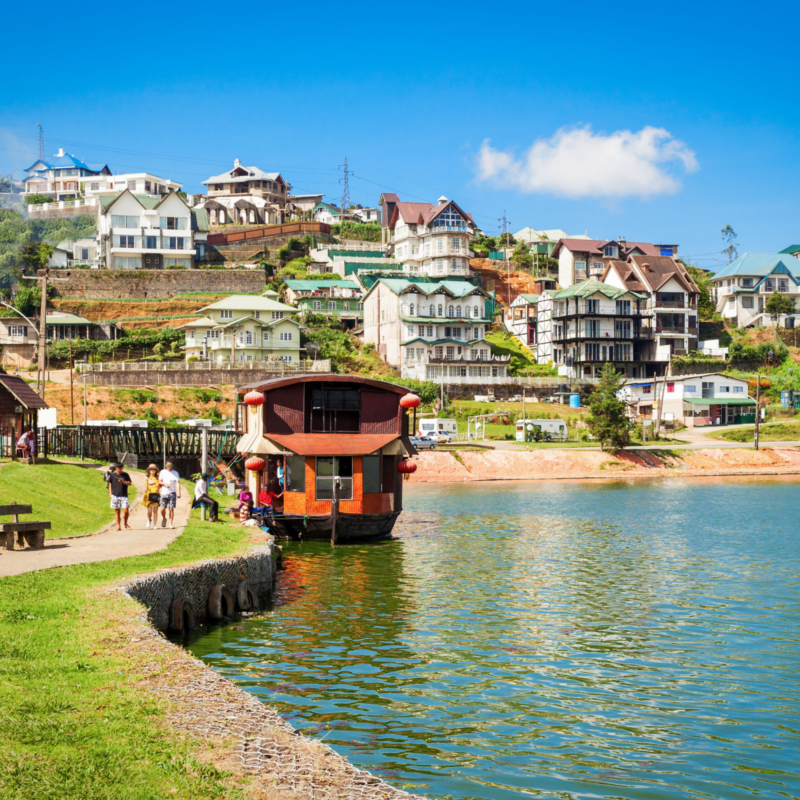
 

Nuwara Eliya

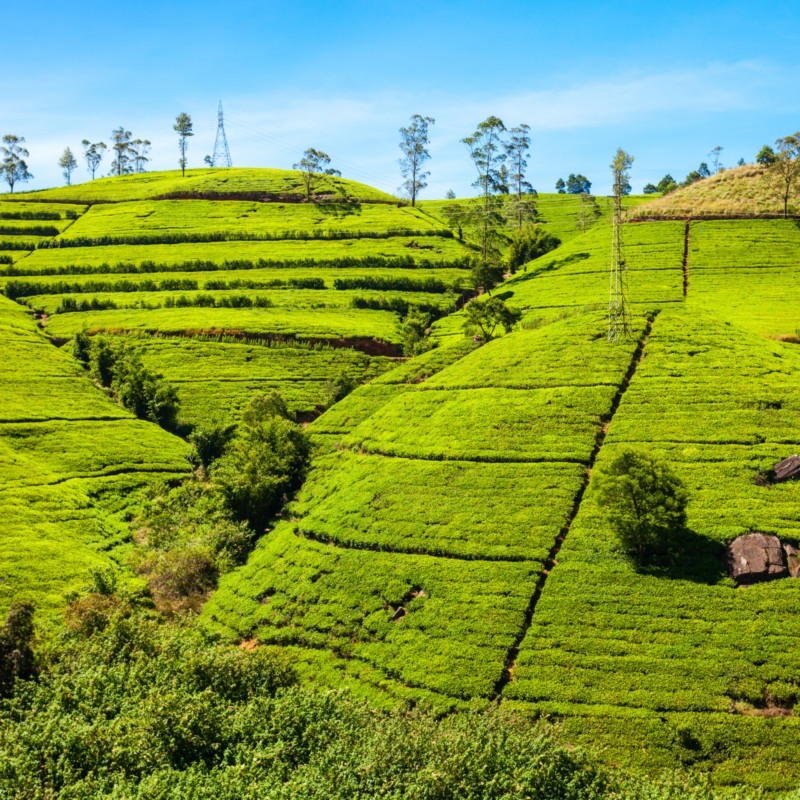
Nuwara Eliya is one of the most beautiful and historically important cities in Sri Lanka, often called “Little England” because of its cool climate, colonial buildings, and English-style landscape. Located in the Central Province at about 1,868 meters above sea level, it has a mild temperature ranging from 10°C to 20°C, misty mornings, and scenic surroundings filled with rolling hills, cloud forests, waterfalls, valleys, and vast tea plantations. Nearby stands Pidurutalagala, the highest mountain in the country at 2,524 meters.

The town was developed during British rule in the 19th century after explorers like Samuel Baker discovered the area, and it later became a favorite retreat for British officials escaping the heat of Colombo. This led to the construction of country cottages, golf courses, race tracks, botanical gardens, and tea estates. The tea industry was introduced by James Taylor in the 1860s, making the region famous worldwide for high-quality Ceylon Tea, including estates like Pedro Tea Estate.

Major attractions include Gregory Lake, where visitors enjoy boating and picnics, Hakgala Botanical Garden with its rare flowers and connection to the Ramayana legend, Victoria Park in the town center, Horton Plains National Park famous for World’s End cliff, and Seetha Amman Temple linked to the story of Princess Sita. Colonial landmarks such as Grand Hotel Nuwara Eliya and Hill Club enhance its old-world charm, while the region is also known for strawberries, cool-climate vegetables, lively April New Year festivals, and scenic train journeys via Nanu Oya from Kandy, making Nuwara Eliya one of the most loved tourist destinations and peaceful escapes in Sri Lanka.


Beaches of Sri Lanka

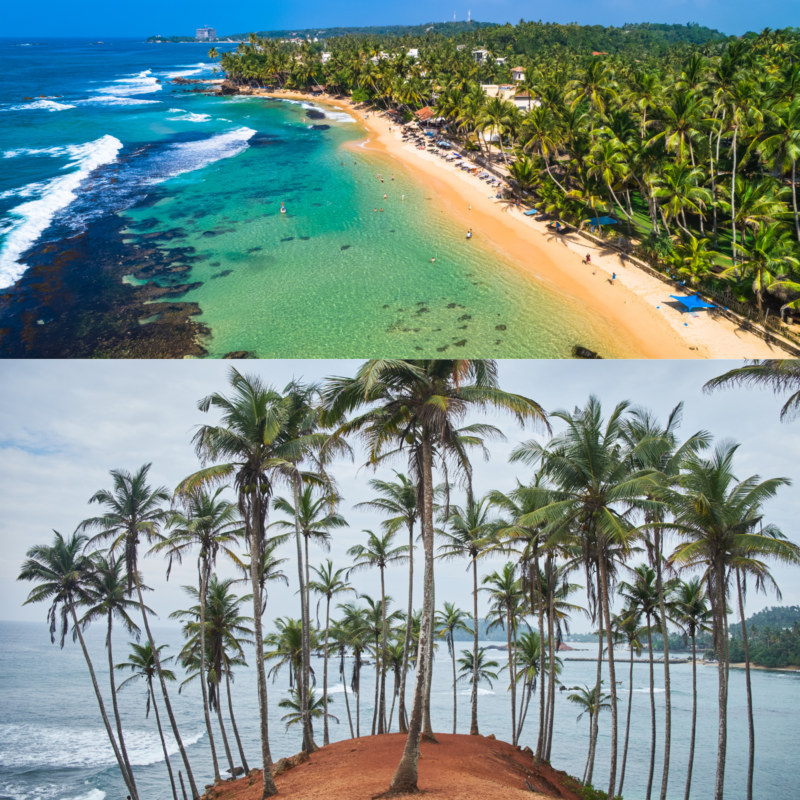
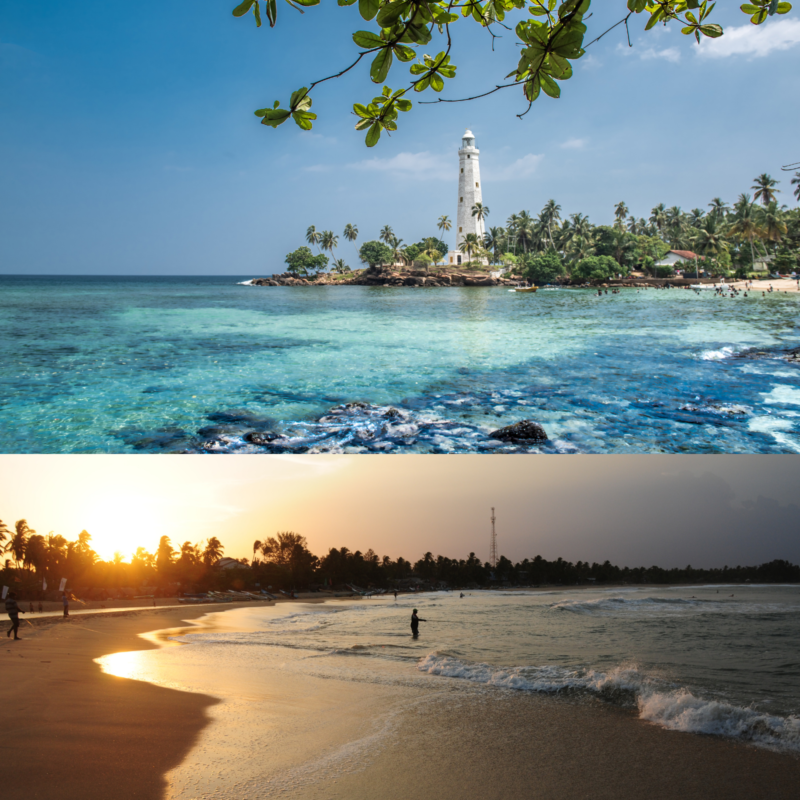
Sri Lanka is renowned for its stunning tropical coastline, golden sandy beaches, and crystal-clear waters that attract visitors from around the world. Among the most famous beaches is Unawatuna Beach near Galle, known for its beautiful curved bay, calm swimming waters, coral reefs, vibrant nightlife, and proximity to the historic Galle Fort. Mirissa Beach is famous for whale and dolphin watching, surfing, and its relaxed tropical atmosphere, making it one of the best places to see blue whales. Bentota Beach near Colombo is popular for luxury resorts, exciting water sports, and romantic sunsets.

Meanwhile, Arugam Bay is internationally recognized as a surfing paradise with world-class waves and competitions, attracting surfers from around the globe. Nilaveli Beach near Trincomalee offers crystal-clear waters, white sand, and peaceful surroundings, including boat trips to Pigeon Island. Together, these beaches make Sri Lanka’s coastline diverse, breathtaking, and perfect for every type of traveler.